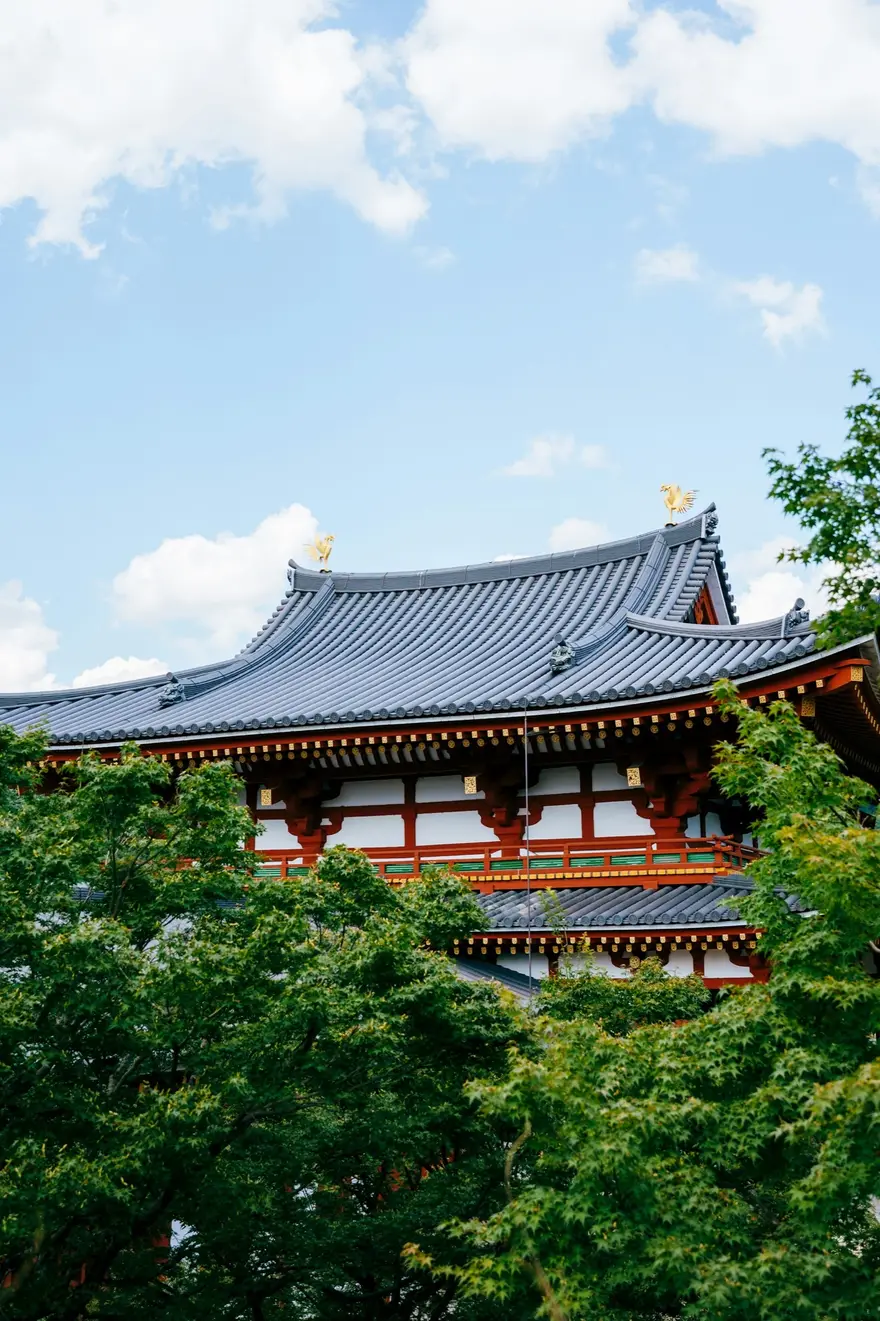
Why Uji
Tea has been grown around Uji since the thirteenth century, and the techniques that define matcha — extended shading, careful steaming, stone milling — were largely refined there. The tencha processing method that turns shaded leaf into matcha-ready material is an Uji contribution.
That history is not marketing. It shows up in the concentration of skill: the region has the highest density of producers who have been doing one narrow thing for a very long time.
What the label covers
“Uji tea” is governed by a definition the Kyoto Prefectural Tea Industry Council adopted in 2004, not by statute. It reads, in translation: Uji tea is tea from the four prefectures of Kyoto, Nara, Shiga and Mie — the producing areas that developed together as Uji tea — finished and processed within Kyoto Prefecture by businesses based in Kyoto Prefecture, with Kyoto-grown leaf given priority. Japan’s agriculture ministry describes it the same way.
Read that carefully and the practical effect is clear. Leaf grown in Nara, Shiga or Mie may be sold as Uji tea provided a Kyoto business does the finishing. The guarantee is about who processed it and where, not about which hillside it grew on.
Reasonable people disagree about whether that is a sensible reflection of how the industry actually works or a dilution of a place name. Either way, the words on a tin describe a production tradition, not a specific field — and a seller who names an actual farm within Uji is telling you considerably more.
There is no separate legal definition of “Uji matcha” on top of that. A tin carrying the phrase is claiming the Uji tea definition plus the fact that the contents are ground tencha, and nothing further.
What it tastes like
The Uji house style leans towards depth and umami rather than brightness — thicker in the mouth, sweeter on the front, with a long finish. Compared against a Kagoshima of similar grade, the Uji usually reads rounder and the Kagoshima fresher and more vegetal.
That is a generalisation about a region containing hundreds of producers, and it breaks down constantly. Treat it as a starting expectation, not a rule.
What Uji tencha costs at auction
Uji is one of the few origins where you can see the wholesale price, because Kyoto’s first-flush tencha is sold at public auction and the results are published.
In 2026 the hand-picked Uji tencha category averaged ¥52,086 a kilogram, about 20% above the previous year, on 9,130 kg traded. The machine-harvested category averaged ¥17,797 a kilogram on 541,771 kg. The gap between those two numbers is the honest scale of the Uji premium at the wholesale level — roughly three times — and it is worth carrying into a shop, because retail premiums for the word are frequently larger than the premium the leaf itself commands.
Hand-picked tencha is also a tiny fraction of the total. Nine tonnes against five hundred and forty is the reason the very best Uji is genuinely scarce and the reason most tins carrying the name are not made from it. Why matcha got so expensive sets out how those auction prices moved and what is behind it. Figures checked on 14 August 2026.
How to buy it without overpaying for the word
The premium attached to the name is real, and part of it is not attached to anything in the cup. Two things separate an Uji tin worth its price from one coasting on the label: a stated harvest, and a producer named specifically enough that you could look them up. A tin that says only “Uji matcha, product of Japan” is charging you for a place name and telling you nothing about the tea.
Small tins are also the norm among serious Uji producers, for the same reason they are everywhere else — matcha this delicate is not meant to sit open for three months.
Is it worth the premium
If you are drinking matcha straight and you want the reference version of what matcha is supposed to taste like, an Uji tin from a serious producer is the right place to calibrate — and once you have tasted it, everything else has something to be measured against.
If you are making lattes, you are paying for subtleties that oat milk erases.
Which producers are worth it, at what price per gram in CAD, is in the buying guide. The grades guide covers what to check when a tin says Uji but not much else.