Learn
Matcha guides
The background you need before spending $60 on a tin — written once, kept current, no affiliate links in the way.
These are the reference pages. Each one takes a subject rather than a question, gets rewritten in place as we learn more, and carries no publication date — only the month it was last touched. They are meant to still be true in three years.
Read them in order if matcha is new to you. What matcha is explains shading, tencha and stone milling, which is the whole reason the price range runs from twelve dollars to sixty. The grades then explains why the words "ceremonial" and "culinary" are unregulated marketing language, and what to check instead. And how to spot fake matcha covers the realistic risk, which is not counterfeiting but mislabelling — real tea sold as something it is not.
Anything whose answer depends on the year lives on the blog instead: caffeine arithmetic, storage, this season's auction prices, where to buy in Canada. And when you are ready to spend money, the shortlist and the per-gram maths are on the buying guide.
What is matcha
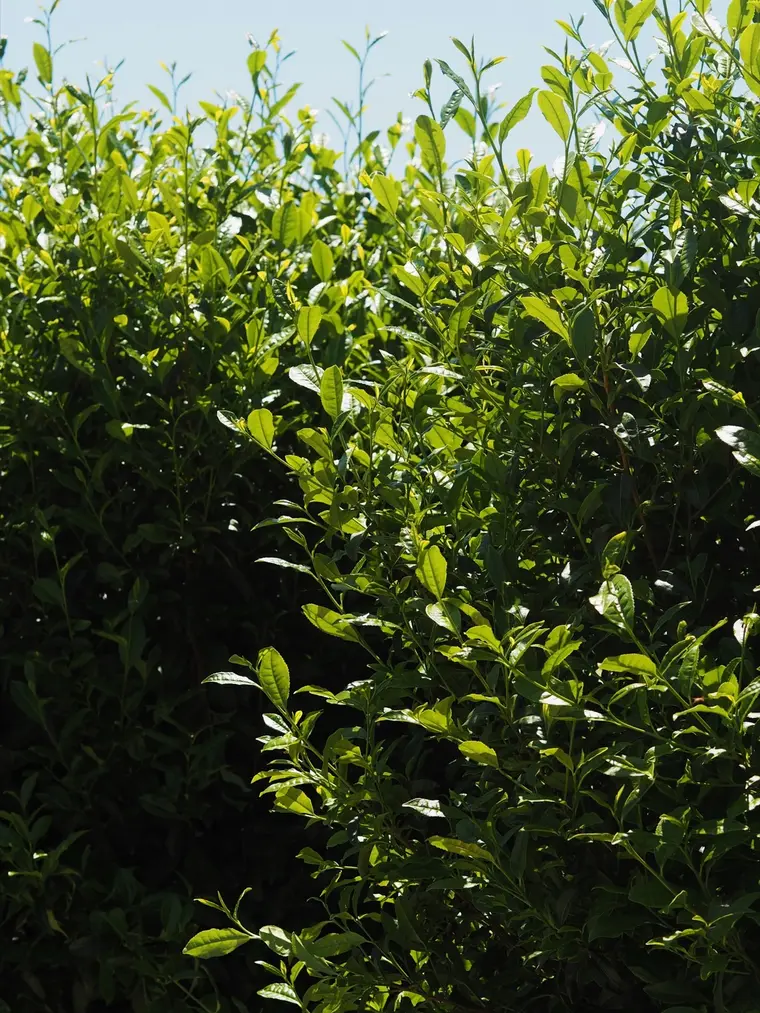
Matcha is shade-grown Japanese green tea, ground to powder and drunk whole. Here is what that actually changes, and why price varies tenfold.
Matcha grades explained
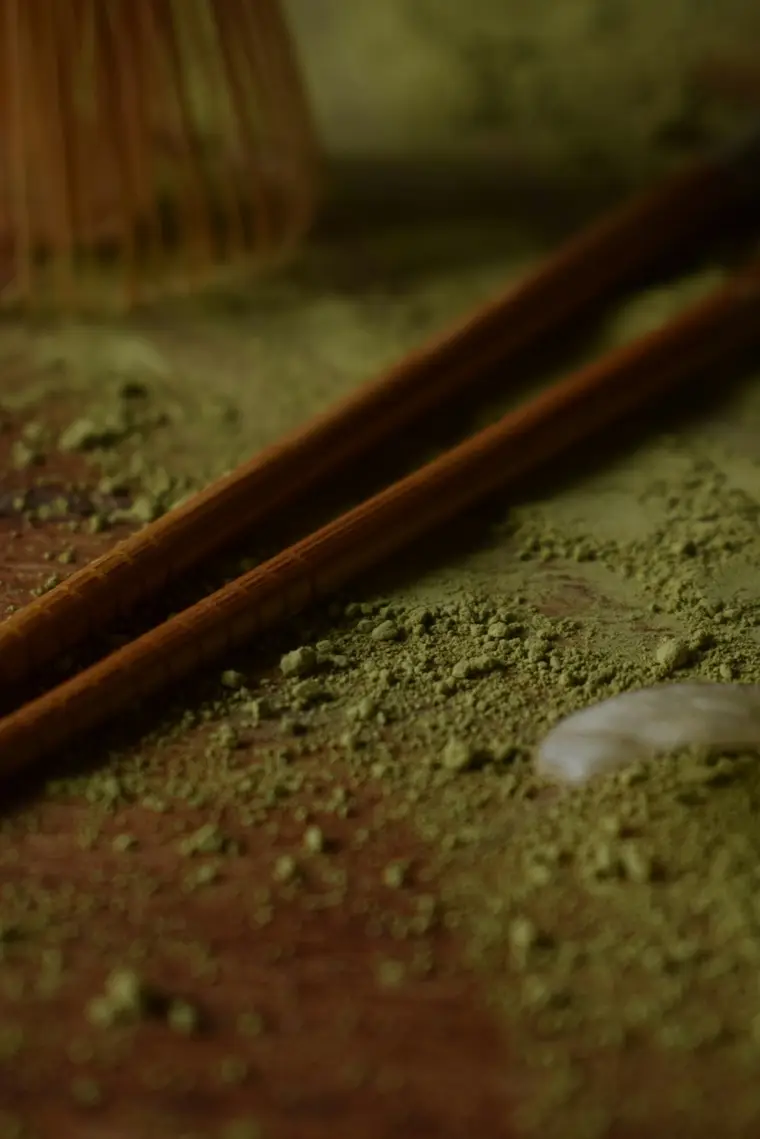
Nobody regulates the word "ceremonial". Here is what separates the grades in practice, and the four things to check instead of the label.
How to spot fake matcha
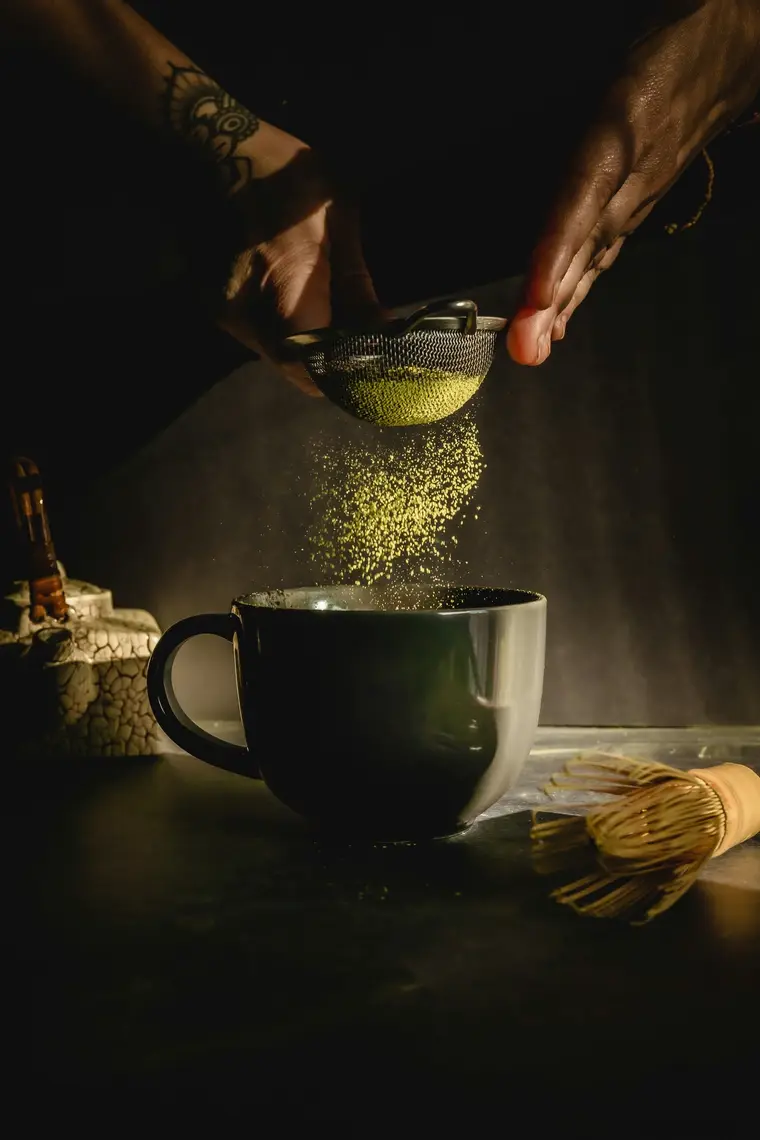
Most "fake" matcha is not fake at all. It is real tea sold as something it is not. Six checks that catch it before you have spent $40.