The uncomfortable starting point
There is no standards body. No Japanese ministry, no trade association and certainly no Canadian regulator defines “ceremonial grade”. A seller can print it on a bag of second-harvest Kagoshima leaf ground in a ball mill, and no rule has been broken.
So the grade on the tin is a claim about intent, not a certification. Useful as a starting filter, worthless as a guarantee.
What the terms usually mean
Ceremonial grade is meant to be drunk straight — whisked with hot water, nothing added. In practice that implies first-harvest leaf, properly shaded, finely ground, sold in small tins because it goes stale.
Culinary grade is meant to survive being mixed into something. Later harvest, stronger and more astringent, coarser grind, sold in larger bags. It is not “bad matcha” — it is a different tool. Put ceremonial grade in a latte and you have spent $40 to taste oat milk.
Some sellers add tiers between the two — “premium”, “latte grade”, “daily” — and those are equally unregulated.
The four things to check instead
1. Harvest. Ichibancha — first harvest, picked in spring — is the real dividing line. It gives the sweetness and the colour. Later flushes give you bitterness and a duller green. Good sellers state the harvest. Sellers who do not state it are usually not withholding good news.
2. Origin, named specifically. “Product of Japan” is the bare minimum and tells you almost nothing. A named region — Uji, Nishio, Kagoshima, Yame — is a better sign, and a named farm or blend better still. Vagueness here is a choice.
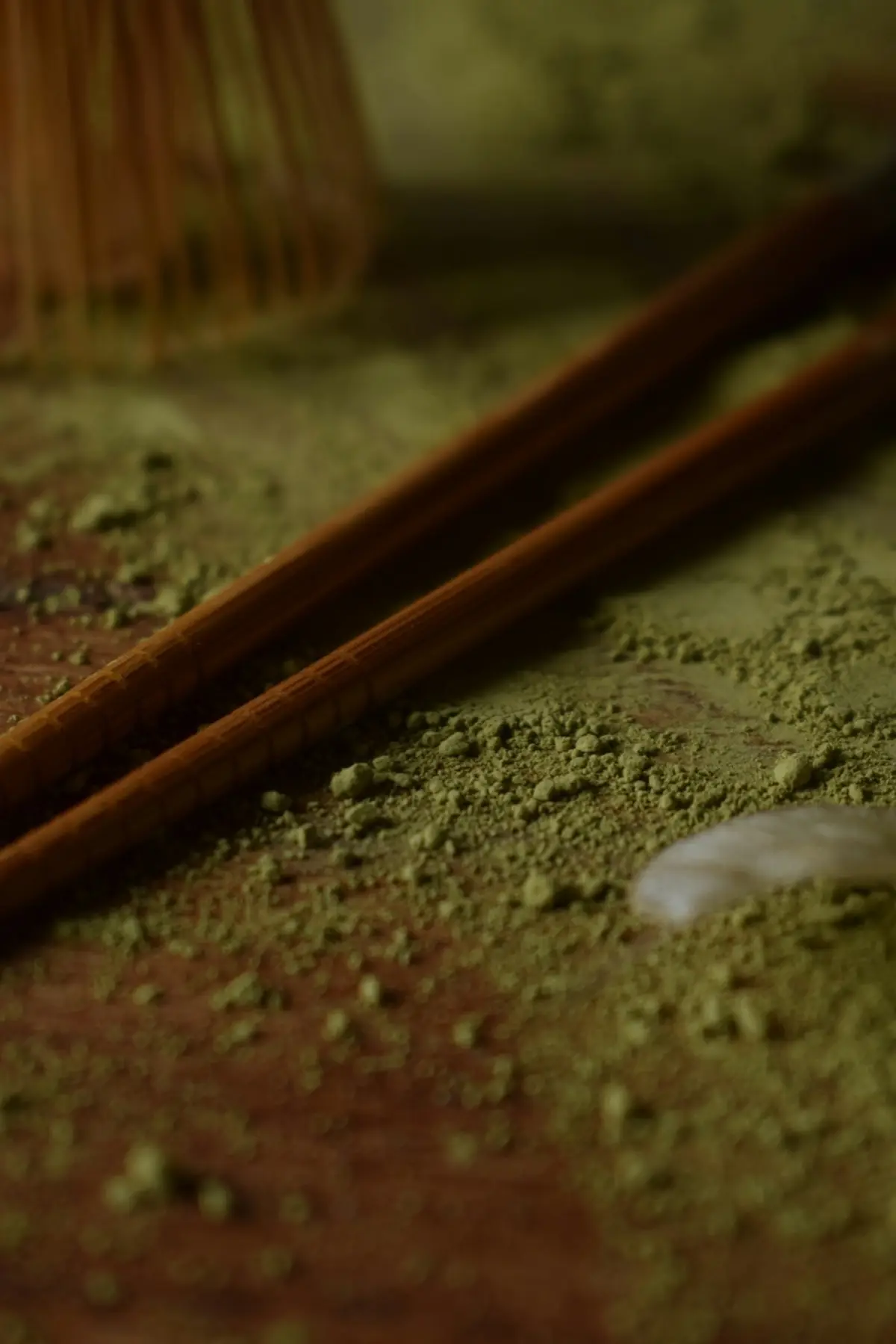
3. Colour. Vivid jade with a yellow lean. Dull, grey or khaki powder is late harvest, poorly shaded, oxidised, or all three. This is the check that needs no expertise, and it is the most reliable one you have.
4. Price per gram. The number that makes a 30 g tin and a 100 g bag comparable, and the number sellers structure their packaging to obscure. Our buying guide lists every product by CAD per gram for exactly this reason.
The tiers sellers invent in between
Between the two headline grades sits a growing list of invented middle tiers: “premium”, “daily”, “latte grade”, “barista”, “super premium”. None of them mean anything fixed either, but they are not always cynical — a seller with a genuine range needs some way to signal that one blend is better than another without pretending both are ceremonial.
The way to read them is relative, never absolute. Within a single seller’s lineup, the tiers are usually honest about which of their products is better. Across sellers they are meaningless: one shop’s “premium” is another’s entry level, and comparing the words rather than the price per gram is how people end up disappointed.
There is one tier worth being sceptical of specifically. “Latte grade” sold at close to ceremonial prices is a marketing position rather than a product category — if it is good enough to justify that price, it is good enough to drink straight, and if it is not, it should cost what culinary grade costs.
What Japanese producers write instead
It helps to know what the alternative system looks like, because once you have seen it the export grades read differently.
A traditional Kyoto house does not sell “ceremonial grade”. It sells named blends — Ummon-no-mukashi, Wako, Sayaka — and each name is a fixed recipe the house has produced for decades. The name tells a Japanese customer roughly where the blend sits in the range and whether it is meant for koicha, the thick preparation that only the best first-harvest leaf survives, or for usucha, the thin bowl most people drink.
That system carries real information and requires you to already know things. The ceremonial/culinary split carries almost no information and requires you to know nothing, which is precisely why it exists in export markets. Neither is dishonest. Only one of them is a guarantee, and it is not the one printed in English.
A practical shortcut: if a tin says which preparation it is for — koicha, or usucha, or lattes — the seller is telling you something specific and checkable. If it says only a grade word, they are not.
What the 2026 price rise did to the labels
The grade words got less reliable in 2026, for an ordinary economic reason.
Kyoto’s first-flush tencha auctions have roughly tripled since 2024, so the raw leaf behind a genuinely ceremonial tin now costs a multiple of what it did two years ago. The words on the tin cost the same as they always did — nothing. When the gap between the honest product and the honest-sounding one widens that fast, the labels stop tracking the tea.
The figures, and what they mean for what a tin should cost per gram, are in why matcha is so expensive this year. The short version for grade shopping: a large bag advertised as ceremonial at a low price per gram is now a stronger warning sign than it used to be, not a bargain.
Where the money should go
If you drink matcha straight most mornings, buy the best 30–40 g tin you can justify and finish it inside two months. Freshness after opening matters more than another $10 of quality at purchase.
If matcha is mostly going into lattes, buy good culinary grade in 100 g bags and spend the saving on more of it.
If you are doing both — most people, eventually — buy both. One small tin for drinking, one bag for everything else. It costs less than compromising in one direction and works better.
The one grade claim worth trusting
A seller who tells you the harvest, the region and the mill, and prices per gram without being asked, is telling you they expect to be checked. That is worth more than any word on the front of the tin.
Next: how to spot fake matcha, which is a different and more annoying problem.