Origins
Where Japanese matcha comes from
Region is the part of the label sellers are least willing to fake and most likely to omit. Here is what each one means in the cup.
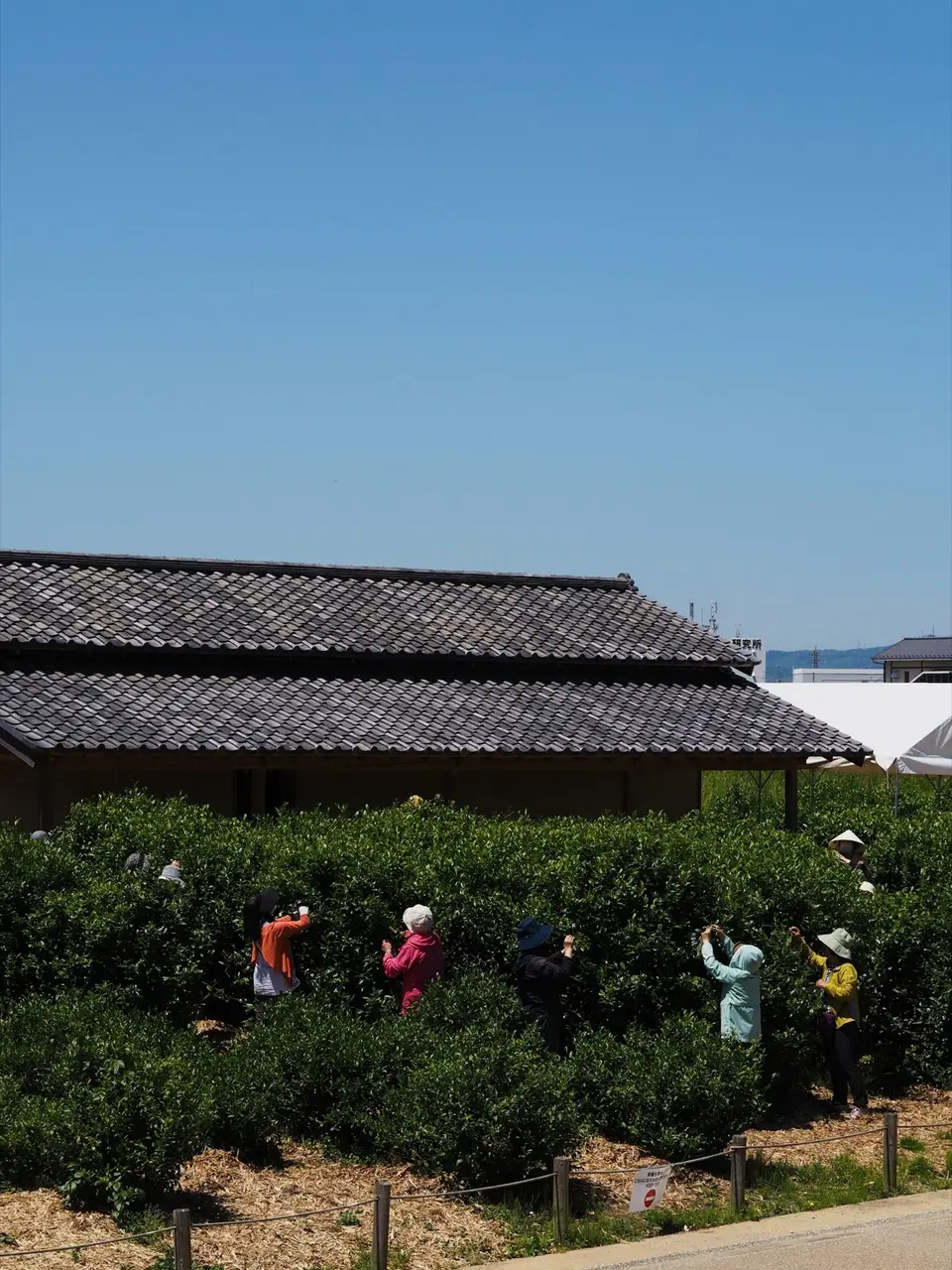
Most matcha worth buying comes from four places. Uji, south of Kyoto, is the historic centre and the most expensive word on a label. Nishio in Aichi is the other long-established matcha district, and a great deal of what gets blended and sold elsewhere passes through it. Yame in Fukuoka is small, prized, and known for depth. Kagoshima, in the far south, harvests earliest, sells for less than the old regions, and has been Japan's largest tencha-producing prefecture since around 2020 — which is not the ranking most buyers expect.
Region is worth knowing about for one practical reason: it is the part of the label sellers are least willing to invent and most willing to leave out. "Product of Japan" is a country of origin. A named region is information, a named farm is better, and a tin that gives you neither is usually not withholding good news — the same logic that applies to a missing harvest date.
What a regional name legally guarantees is often narrower than buyers assume. "Uji tea" admits leaf from three neighbouring prefectures provided a Kyoto business finishes it, which the Uji page sets out in full. Read the region as a house style and a processing tradition, not as a postcode — and then compare on price per gram anyway.
Uji matcha
Uji is the historic centre of Japanese matcha, and "Uji matcha" is a looser term than most buyers assume. What it covers, and what it is worth.